God is in the Data (or: Why Do I Feel Like Shit)
I was beginning to wonder if I was coming down with something. I just wasn’t feeling good. Tired, hungry, lazy. Something had changed.
Then came the holiday party. Don’t get me wrong — it was super fun. I ate and drank myself into oblivion. The late-night bourbon just added insult to injury. A few days went by, I felt sick. I racked it up to alcohol. But then I got out on the bike and felt better again. Still tired though. Tired in a way I hadn’t felt since July.
What was going on?
I double-checked my ride length and route. Same. I looked at my caloric output — eh, down about 20% from previous analog rides. Ok, I must be getting in better shape. But if that’s true, why so crap-tastic?
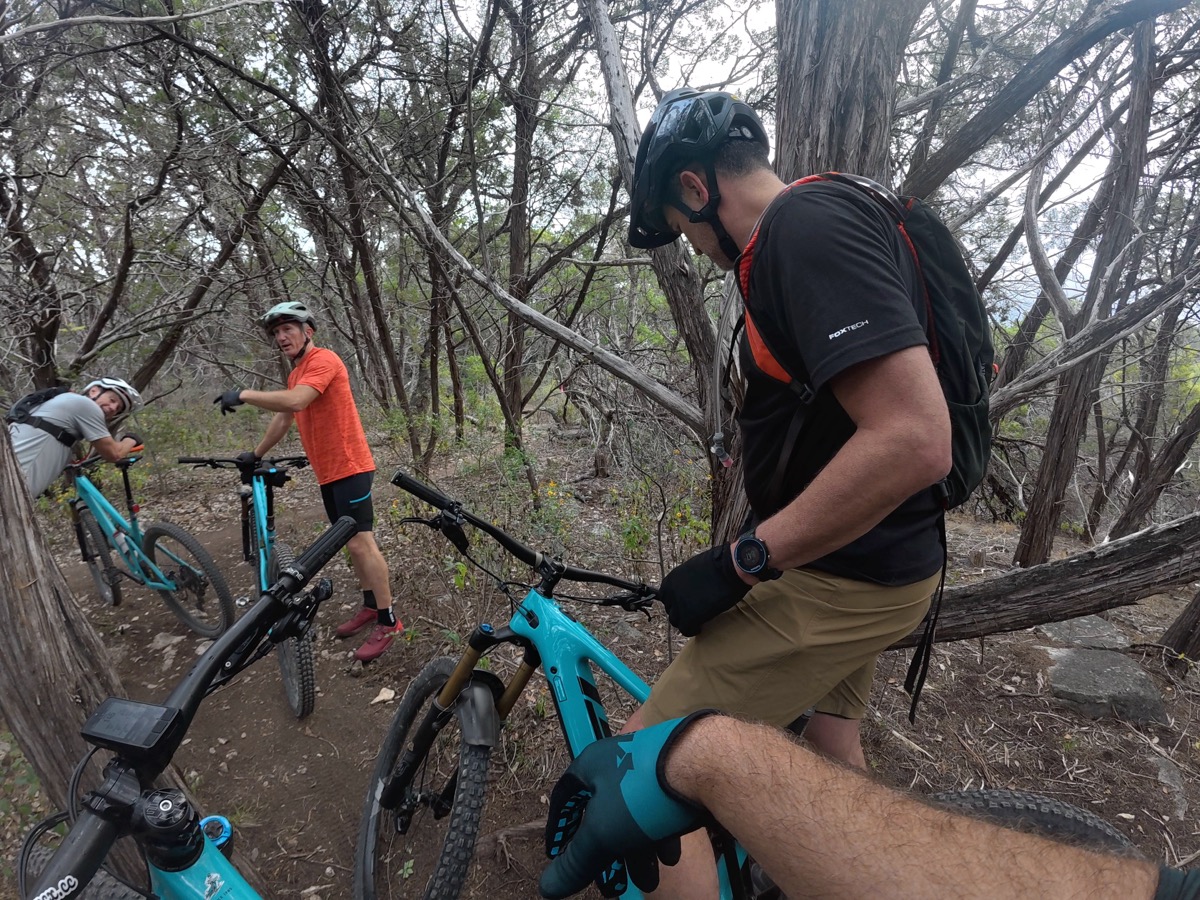
Finally, a big day. I agreed to ride with JB, Brett, and David. I knew the pace was going to be rowdy and I knew I wanted to be on the analog bike — Fat Chuck’s Revenge is coming up, and I needed to push. Plus, I’d been going so well after recovering from the holiday party. I was feeling better.
Or so I thought.
Look — I didn’t get dropped or bonk. But something happened that ride. Something snapped beyond my front wheel having loose spokes and flexing. I was absolutely exhausted when I got home. Like next-level tired. Maybe I had COVID.
I started chatting with my wife and she was saying — and had been saying — “You’re stupid for measuring caloric output because it’s going to change as you get better and more efficient.”
I insisted that I knew what I was doing. I knew my numbers. 1800 calories a day max intake, 3500 calories output a week on the bike.
Except that 3500 was getting very, very hard to do.
She might be onto something.
The SB150BR has a sweet Quarq power spider on it, and that transmits to the Wahoo head unit. It’s all damn slick. I’d normally been using Strava for data analytics — ensuring I track distances, HR, calories.
Hmm. Calories.
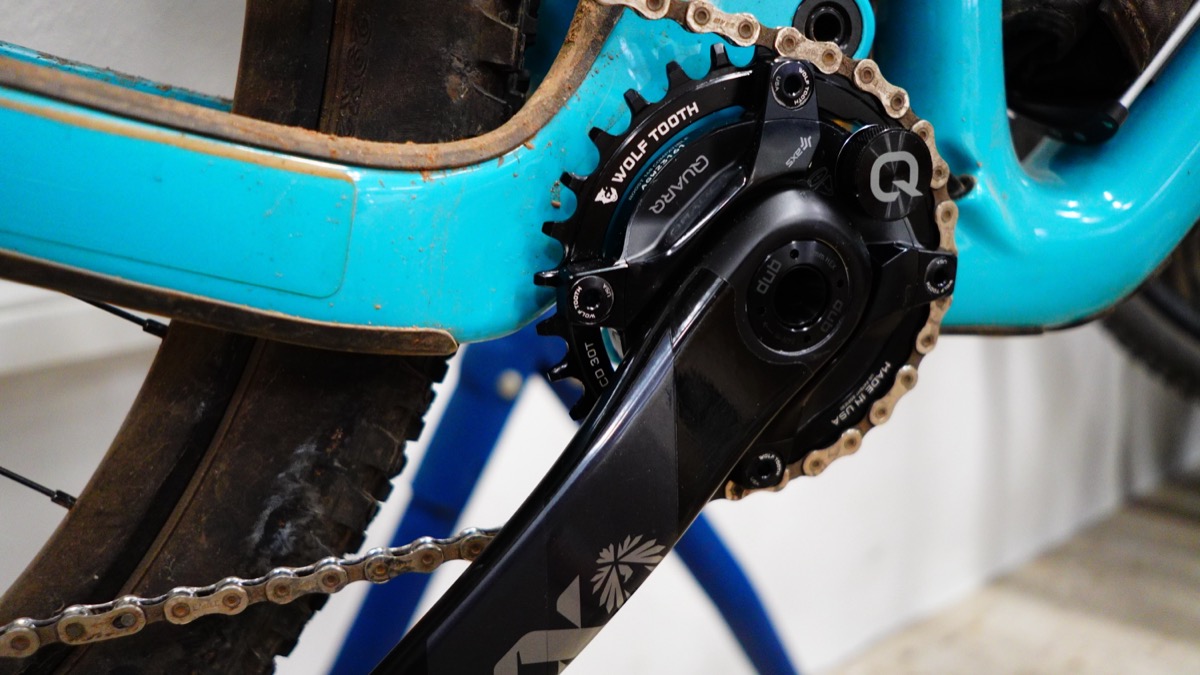 SRAM Quarq power meter on the SB150BR
Recently I’d stumbled into intervals.icu. It’s a pro analysis tool similar to Training Peaks or TSS. Except it seemed approachable, had an API, and was free. So I gave it a shot and got it syncing from Wahoo.
And here is where the ooooohhhhh fuuuuuuuuckkk moment came.
Turns out, I’d been focusing on my analog rides — getting ready for Fat Chuck’s. Good 13-mile loops through Emma Long area with loads of singletrack, huge efforts up and down, really driving my skills, heart rate, and overall fitness. I’d almost exclusively moved to analog. No more Z2 rips on the Skitch on the road and singletrack, no mega days on the MTE. Just focused riding on my analog Yeti, chasing calories.
Except I had gotten more efficient, just as my wife had said. And I was still chasing. Pushing, pushing, going hard, “hitting my numbers.”
Intervals uses something called TSS. It’s expressed as load. It’s a single number that quantifies the total physiological workload — or “cost” — of a workout by measuring the duration and intensity (remember: I have HR and power meter data being generated) against my personal threshold (my FTP), which came from my trainer sessions.
You might have guessed it. I wasn’t just training harder. I was blowing myself up.
When I started this journey in July, my load for a week was anywhere from say 70 to 130. Call it 100.
Recently, after the Rattler race, I’d upped my weekly load to about 200 — doubling it from previous. This is all about when I started riding analog mostly, pushing through my “mostly eMTB” phase to 50/50, then finally to mostly analog.
The last week?
Load 400.
I’d beaten myself into submission, grinding out crazy watts for crazy miles, and waking up and repeating it every few days.
Yeah. I felt like shit for a reason.
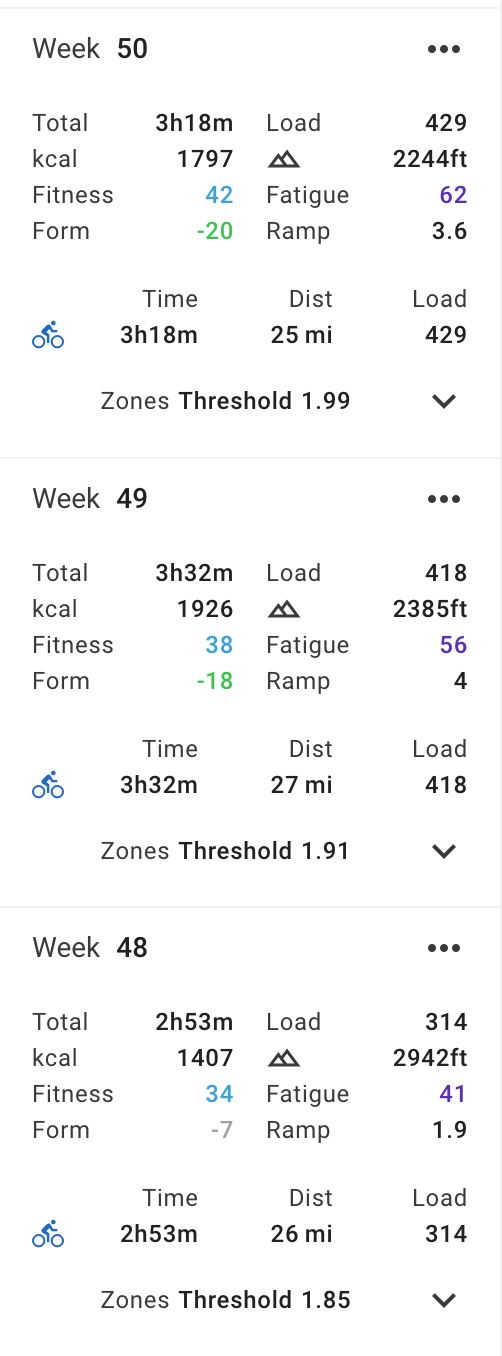
Load rising over the weeks, fatigue setting in, it was all right there in the data
So, it’s one week out from Fat Chuck’s. I’m super embarrassed, but also super glad I caught this (maybe my wife needs to get credit) before the race. I’m laying low, recovering, getting ready to hit it with everything I’ve got after I chill for a bit.
You can be sure I’m watching all my stats now. Learning what they mean, how they work, and understanding the impact I’m putting myself under when I ride these days. To get fitter you need to create stress by increasing load — but go too far and you put yourself in a fatigued category. Risk over-training.
I was close. But intervals saved me.
Now I’ve got to focus on the race.
Finish. And not DFL.